Yep. Big time. Summer brought bone-dry riverbeds in spots, autumn followed with calm but the hangover from last year’s flooding still lingers. Cruising the Danube right now feels like playing chess with the weather—ships can move, but only when nature says so.
Current Conditions (September 2025)
As of late September 2025, things look normal again. Ships are sailing, gauges read fine: Budapest at 102 cm, Vienna stations between 184–306 cm, German sections deep enough for smooth navigation.
But rewind a couple months—July was brutal. The Bulgarian stretch near Belene dropped so low that ships were limited to 1.70 m drafts. Over at Ruse? The gauge actually hit minus 38 cm below the reference line. That’s not “low water.” That’s “are we even on a river?” territory.
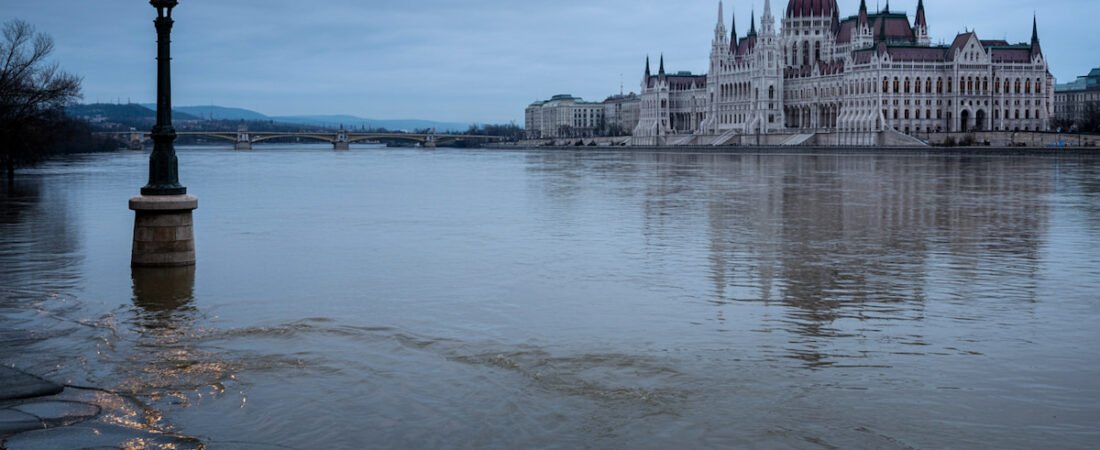
Storm Boris. Remember that name. It dumped more than 300 mm of rain in some areas—basically several months’ worth in a week. By mid-September 2024, the Danube swelled to 10-year highs. Budapest scrambled with flood walls, cruises came to a screeching halt.
The Danube is moody but predictable—high water in spring (snowmelt + rain), low water late summer into fall. Except this year, summer hit harder than usual.
August 2025 drought shrank the riverbed across Germany, Austria, Slovakia, Hungary, and down into Serbia.
Shallow channels popped up in iconic spots like Wachau Valley.
Hungary’s middle stretch got messy—wide and shallow, like a pancake pan. Ships there crawled along in convoys, taking turns just to squeeze through.
Typical Seasonal Risks on the Danube
Season
Main Risk
Navigation Impact
Spring (Mar–May)
Flooding from snowmelt/rain
High bridges can block tall ships
Summer (Jul–Sep)
Drought, low water
Ships restricted to shallow drafts
Fall (Sep–Oct)
Mixed, usually stable
Safer, but unpredictable storms
Winter (Nov–Feb)
Ice (rare recently)
Minimal closures in last 15 yrs
How Cruise Lines Adapt
They’ve gotten clever. If water levels block the route, they don’t just shrug.
Ship Swaps: Viking basically runs mirror-image itineraries with twin ships. You hop off one, grab your luggage, and board an identical cabin on another.
Hotel Nights: If docking isn’t possible, companies put you in city hotels and bus you to excursions.
Bus Transfers: Sometimes you ride overland to bypass shallow stretches.
Alternative Ports: They’ll park in random-but-workable docks and shuttle you back to the action.
Behind the scenes, operators watch real-time data from 50+ monitoring stations across the Danube. They can see trouble coming days ahead—sometimes weeks.
The Outlook: What 2025 Taught Us
This year was a one-two punch: devastating floods in 2024, drought in 2025. Climate volatility isn’t going away, so expect this whiplash to continue.
The Bulgarian stretch was the worst hit in August—navigation channels narrowed to 70–100 meters, forcing ships to run dangerously shallow. Yet most cruise itineraries still worked, thanks to that endless patchwork of swaps, buses, and plan B’s.
2025 Highlights (or Lowlights)
Event
Timing
Impact
Storm Boris floods
Sept 2024
Cruises suspended in Budapest, week-long chaos
Low water crisis
Jul–Aug 2025
Ships restricted, convoys on shallow stretches
September 2025
Normalized levels
Operations mostly stable again
What Travelers Should Do
Buy insurance. Get coverage that includes itinerary changes, cancellations, and hotel costs if water levels wreck the plan.
Choose flexible lines. Viking, Ama, Uniworld—any line that’s transparent about ship swaps and backup plans.
Aim for shoulder seasons. April-May or September-October usually bring better balance.
Arrive early. Don’t cut it close with flights; delays ripple fast.
Stay updated. Pay attention to what the cruise line is telling you about conditions.
Insurance costs 5–10% of the trip. For a $5,000 cruise, you’re out $250–500. Worth it when a week of last-minute hotels in Vienna would run the same.
Bottom Line (ha-ha)
Water levels absolutely affect Danube cruises. Always have, but now it feels sharper—floods one season, droughts the next. The upside? These companies have turned “plan B” into an art form. You might swap ships, bus a few hours, or sleep in a city hotel instead of your cabin, but odds are high your trip will still happen.
If you’re the kind of traveler who can roll with detours, you’ll be fine. If not—maybe wait for calmer weather.