

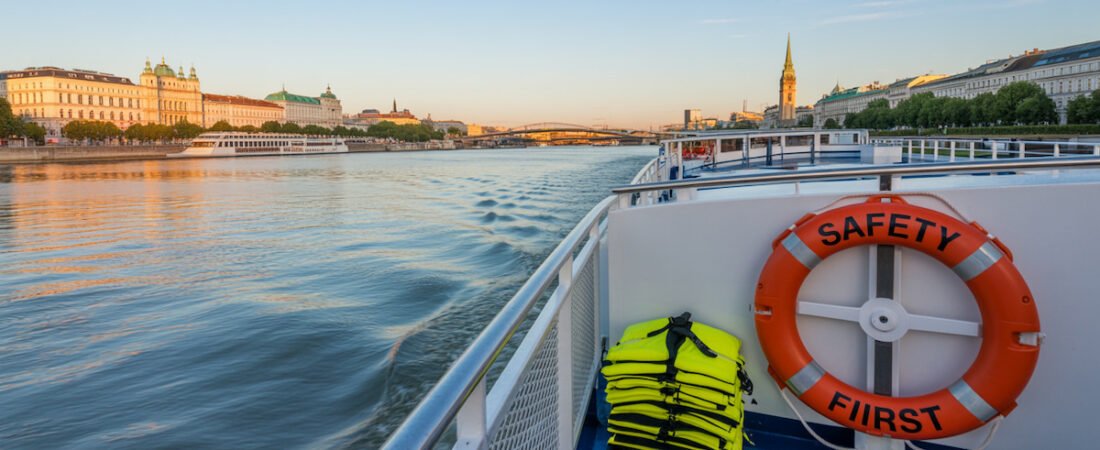
Short answer—yes. They’re safe. Safer than you’d probably expect, considering the occasional dramatic news headline. Ships are modern, crews are trained to the teeth, and Europe keeps a tight leash on safety standards. If you’re picturing rusty boats and dicey river crossings, erase that thought. This is organized, heavily regulated tourism.
Safety Standards: The Rulebook and the Reality
Every ship floating along the Danube has to pass inspection after inspection. Think: hull integrity, engines, navigation systems, radios, alarms, sprinklers—the works. And it isn’t just “check a box, move on.” The European Maritime Safety Agency (EMSA) runs over 14,000 vessel checks a year. That’s constant surveillance.
In 2023, a coordinated push saw 270 officers from Austria, Germany, France, the Netherlands, and Slovakia comb through 36 river ships—including plenty on the Danube. They weren’t just glancing at fire extinguishers. They were checking labor law compliance, safety manuals, evacuation readiness. The boring stuff that actually saves lives.
Crew Training and Passenger Drills
Crews aren’t winging it. Everyone onboard—engineers, waiters, housekeeping—goes through fire training, water ingress response, medical basics, and evacuation drills. And they practice. Repeatedly.
Passengers get pulled into this too. On day one, you’ll sit through a safety demo: life jackets, exits, muster points. Not thrilling, but essential. Unlike ocean liners, these ships don’t need massive lifeboats—shore is almost always close, which means evacuations are quicker and less chaotic.
Medical Help and Health Protocols
The onboard medical kit is limited—think bandages, painkillers, maybe oxygen. But that’s less scary than it sounds. Because you’re never far from land, a hospital can be reached within a couple of hours at most.
Cruise lines add layers of prevention: health checks for crew, strict cleaning routines, and (post-COVID) things like questionnaires, vaccination requirements, and sometimes masks. The vibe is more “precaution” than “panic.”
Water Levels and Weather
Nature is the real wildcard here. Too much rain, and ships can’t clear bridges. Too little water, and you’ve got a grounding risk. Still, numbers show stability. Austria’s section of the Danube in 2023 was open 98.9% of the time—only four closure days due to flooding, none for ice. Over the last 15 years? 359 navigable days on average each year.
When levels swing, cruise companies adapt. They swap ships, bus people around bottlenecks, tweak itineraries, even set up hotel stays if needed. It’s inconvenient, but rarely unsafe.
Danube Waterway Availability (Austria, 2009–2023)
| Year Range | Avg. Open Days | Closures Due to High Water | Closures Due to Ice |
|---|---|---|---|
| 2009–2023 | 359 / 365 | Low (avg. < 5 days/year) | Virtually none |
Accident Stats: The Big Picture
Here’s the part that matters: accidents are rare, injuries even rarer. In 2023, Austria logged 17 navigation “accidents” on the Danube—none fatal, no passenger injuries. The language officials use is almost smug: “unbeatably safe transport.” They’re not wrong.
Yes, there have been tragedies—Budapest in 2019 (a collision, 28 lives lost) and the Heidelberg collision in 2024. But those are exceptions, not patterns. Most incidents fall into the “minor technical issue” bucket.
Sample Safety Record (Austria, 2023)
| Type of Incident | Count | Fatalities | Passenger Injuries |
|---|---|---|---|
| Traffic accidents (damage only) | 17 | 0 | 0 |
| Serious collisions | Rare | Case-specific | Minimal to none |
Insurance and Smart Travel Habits
Travel insurance isn’t optional here—it’s smart. A policy should cover medical costs, evacuation, trip cancellation, itinerary disruptions, and flight issues. Expect to pay 5–10% of your cruise cost. On a $5,000 trip, that’s $250–500. A fair trade for peace of mind.
And a few tips you’ll thank yourself for later:
- Show up for the safety drill.
- Wash your hands like your grandma told you.
- Watch your step on gangways (those things wobble).
- Keep an eye on weather updates if you like knowing what’s coming.
- Bring clothes for sudden weather shifts.
- Arrive in the departure city at least a day early—missed connections are soul-crushing.
Bottom Line
Danube cruises are safe. Safer than driving to the dock, honestly. The system works because it has to: tight regulations, disciplined crews, constant monitoring, and a river that always keeps land close by. Problems? They happen. Disasters? Almost never.
If you’re worried, don’t be. Just buy insurance, listen during the drill, and enjoy the view.